From Kindergarten to Total Carnage

In the winter of 1998, Eye Magazine published a long piece I'd written about the history of video games. The title was Live.Die.Eat.Cheat. I'd been giving versions of the talk it was based on for most of that year, at the ISEA98 conference in Liverpool, at the Stichting de Geuzen in Amsterdam under a different title: From Kindergarten to Total Carnage.
The talk title was more honest about what it was really arguing.
I was two years into a residency at the Jan van Eyck Akademie in Maastricht. The work I was making there, multiplayer environments built in Bungie's Marathon engine, CD-ROMs, typographic game levels, and eventually Quake Radius and Emulation Edition, was the practical version of the same argument the talks were making in words. Games were becoming more real. More cinematic. More complex. More immersive. And in my view, they were becoming less themselves.
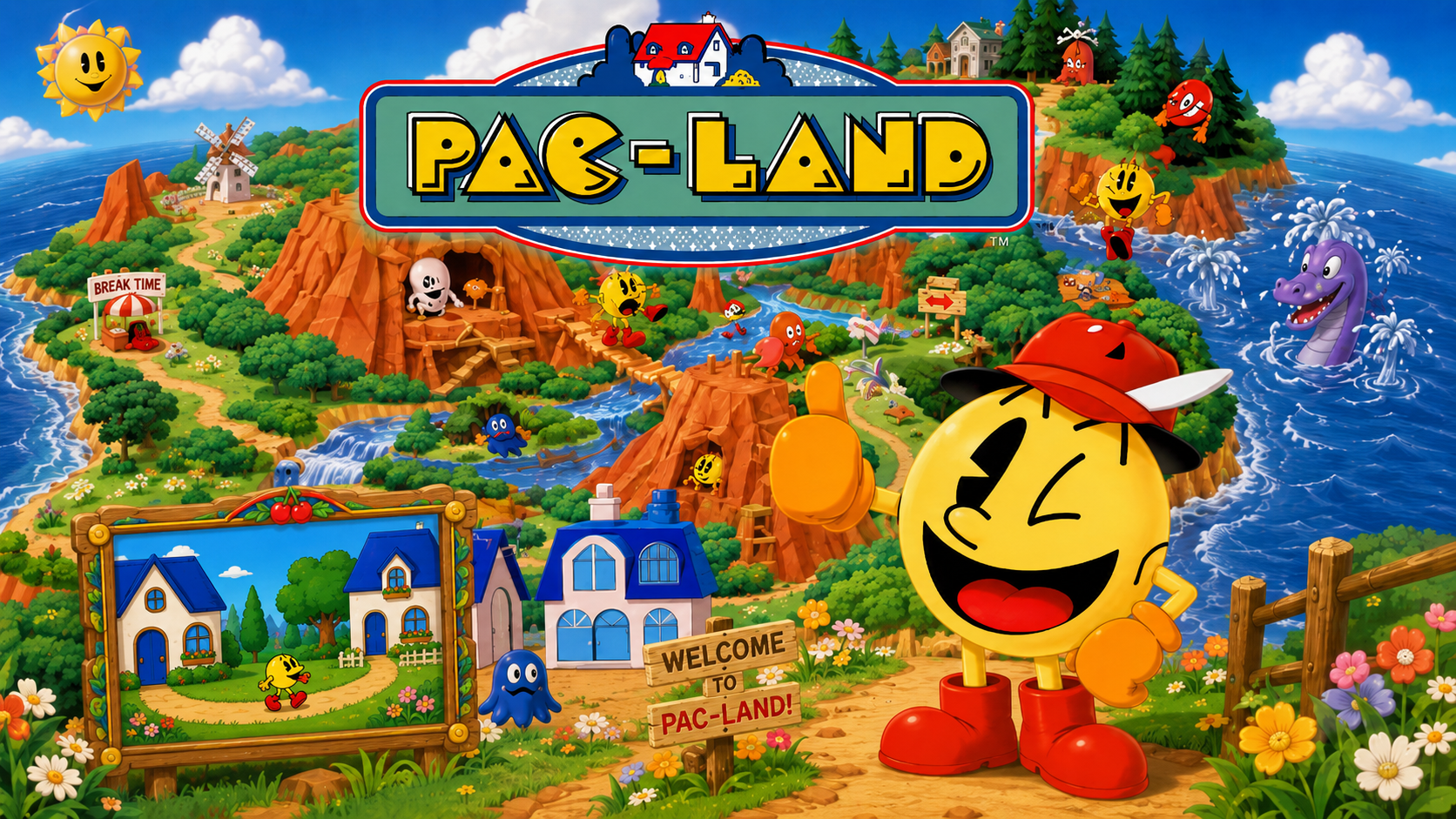
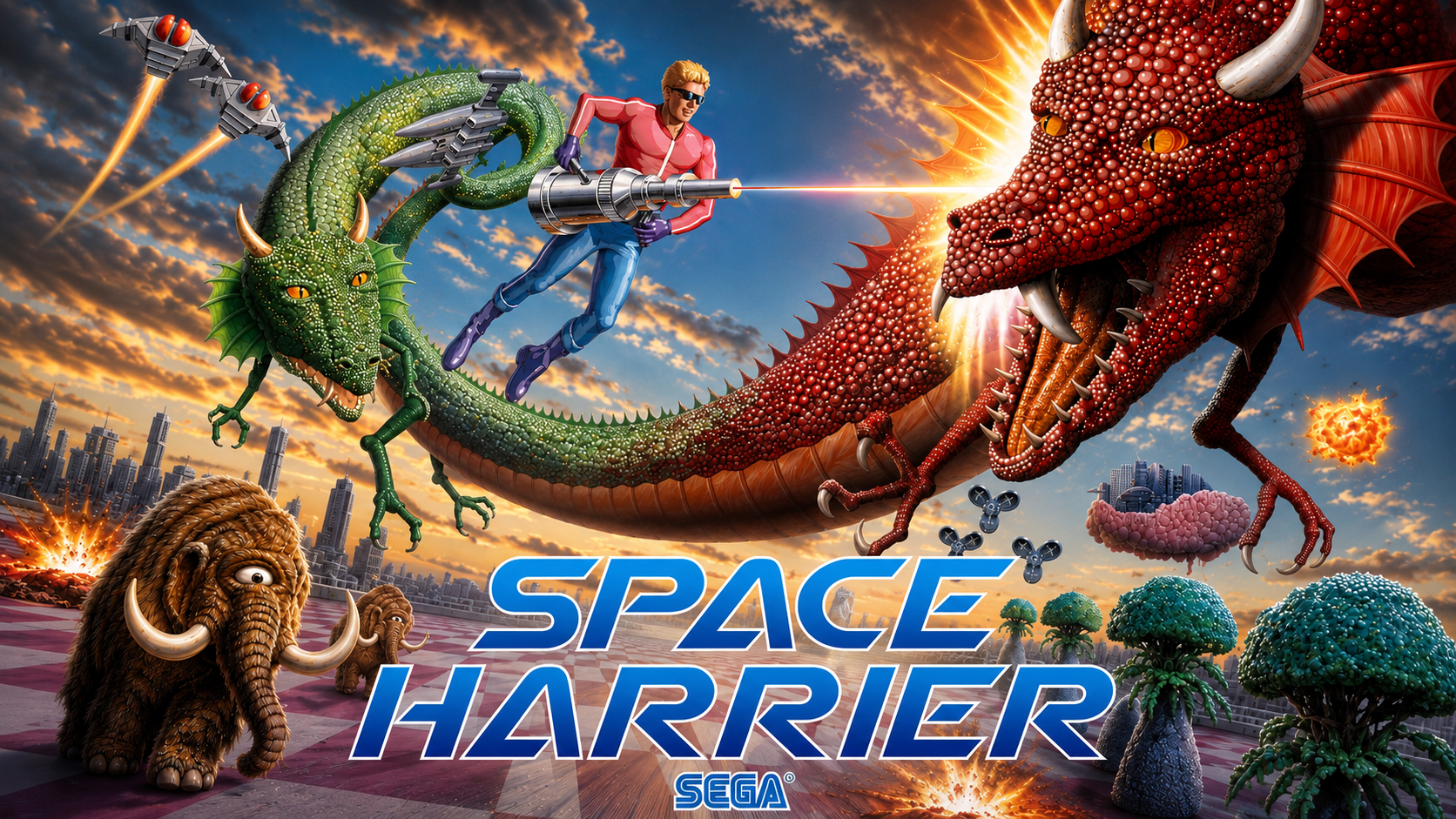
The argument started in the arcades. Early games relied almost exclusively on what I called the "gameness" of the experience. The pure, abstract quality of the challenge. Pong wasn't interesting because it simulated ping pong well. It was interesting because it gave you control of something on a screen, and that thing obeyed the laws of a different physics. The ball didn't fall. The space had no gravity. Douglas Rushkoff, in Children of Chaos, had argued that all pre-computer play was fundamentally about defying gravity. You build something up to a climax and it falls away, like Aristotle's poetics. Computer games broke this. Inside their virtual spaces, the known physics of the world could be altered. That was the revelation. Not the graphics. The rules.
By the mid-nineties, the industry had mostly forgotten this.

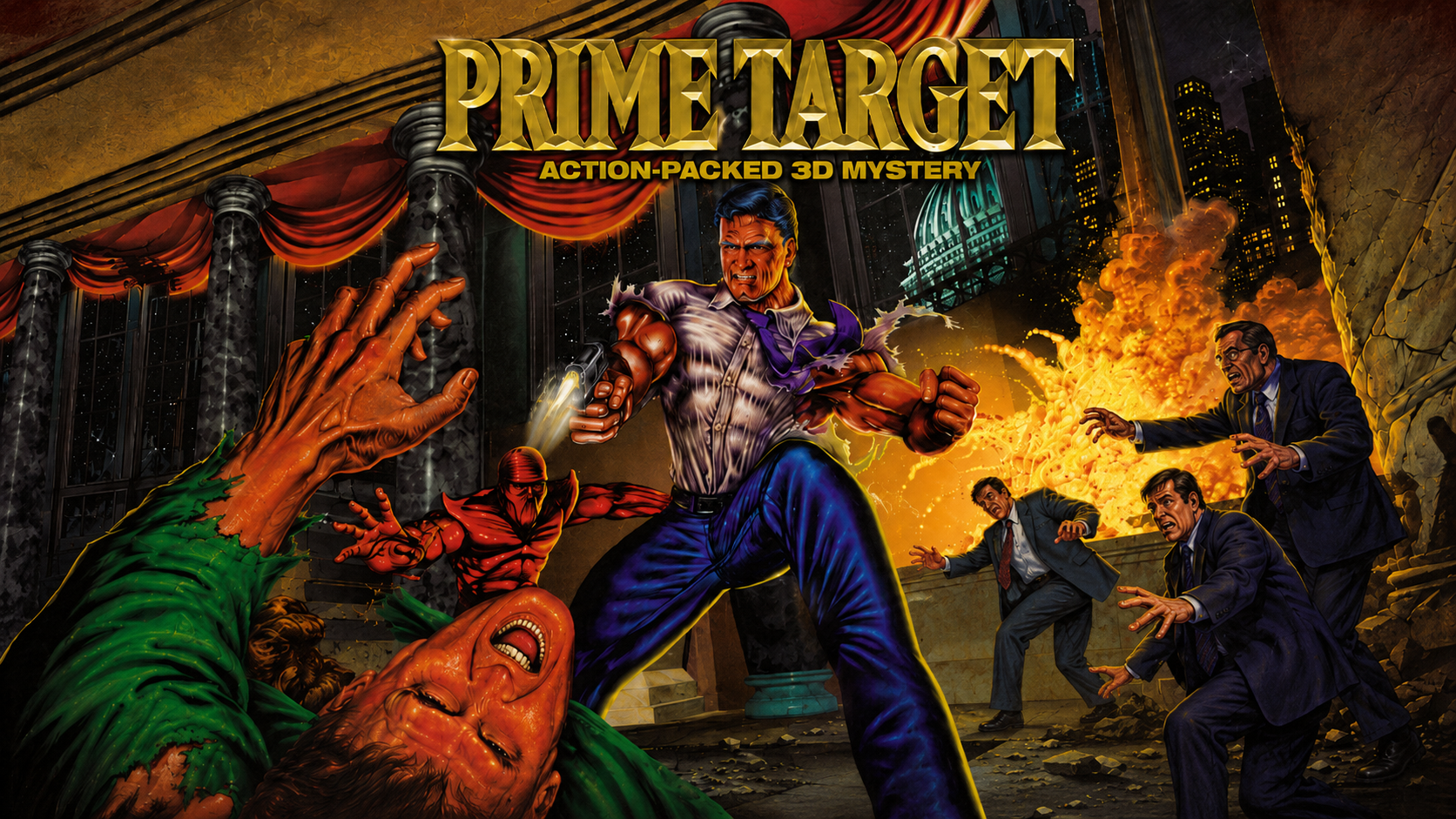
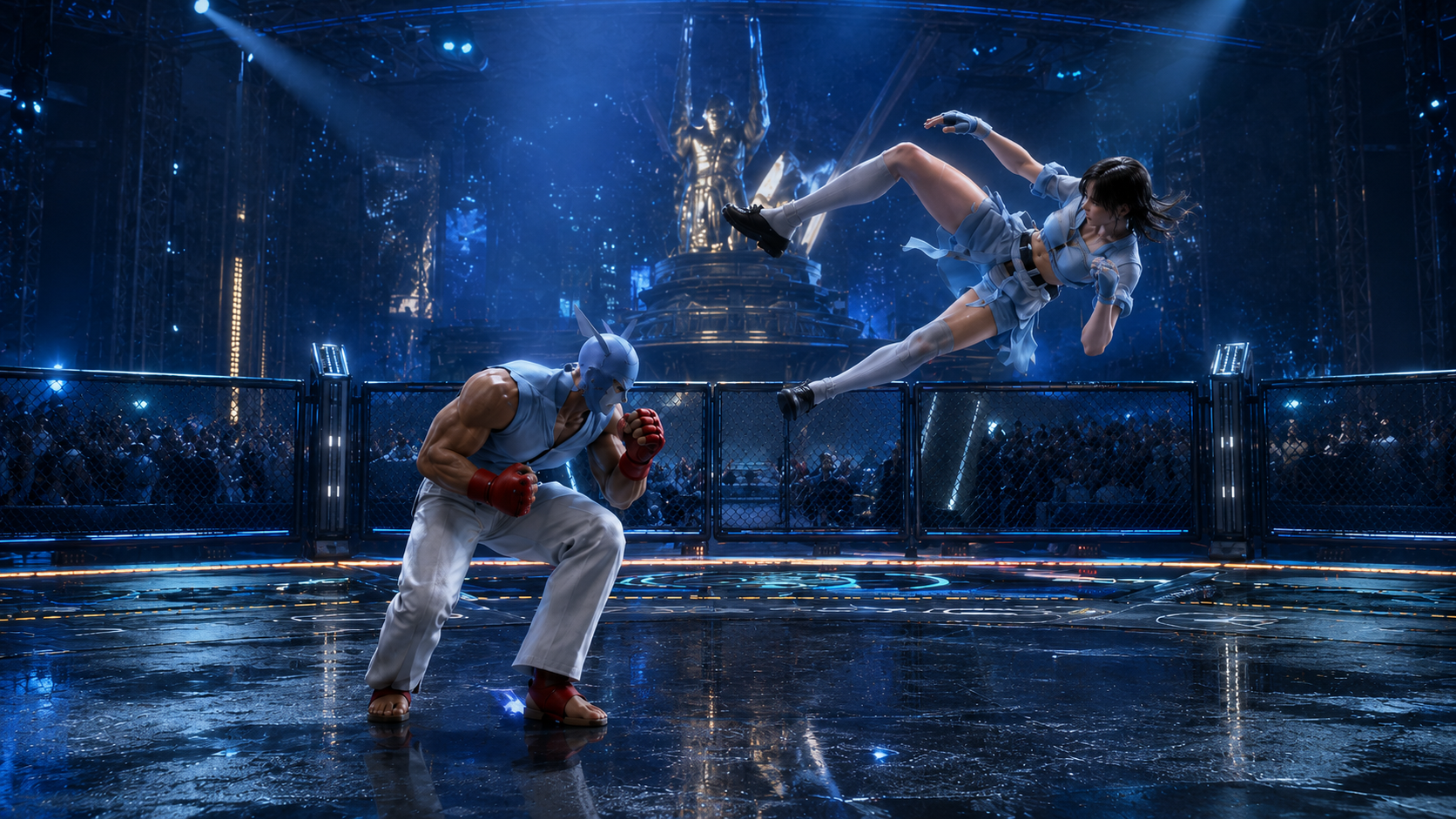
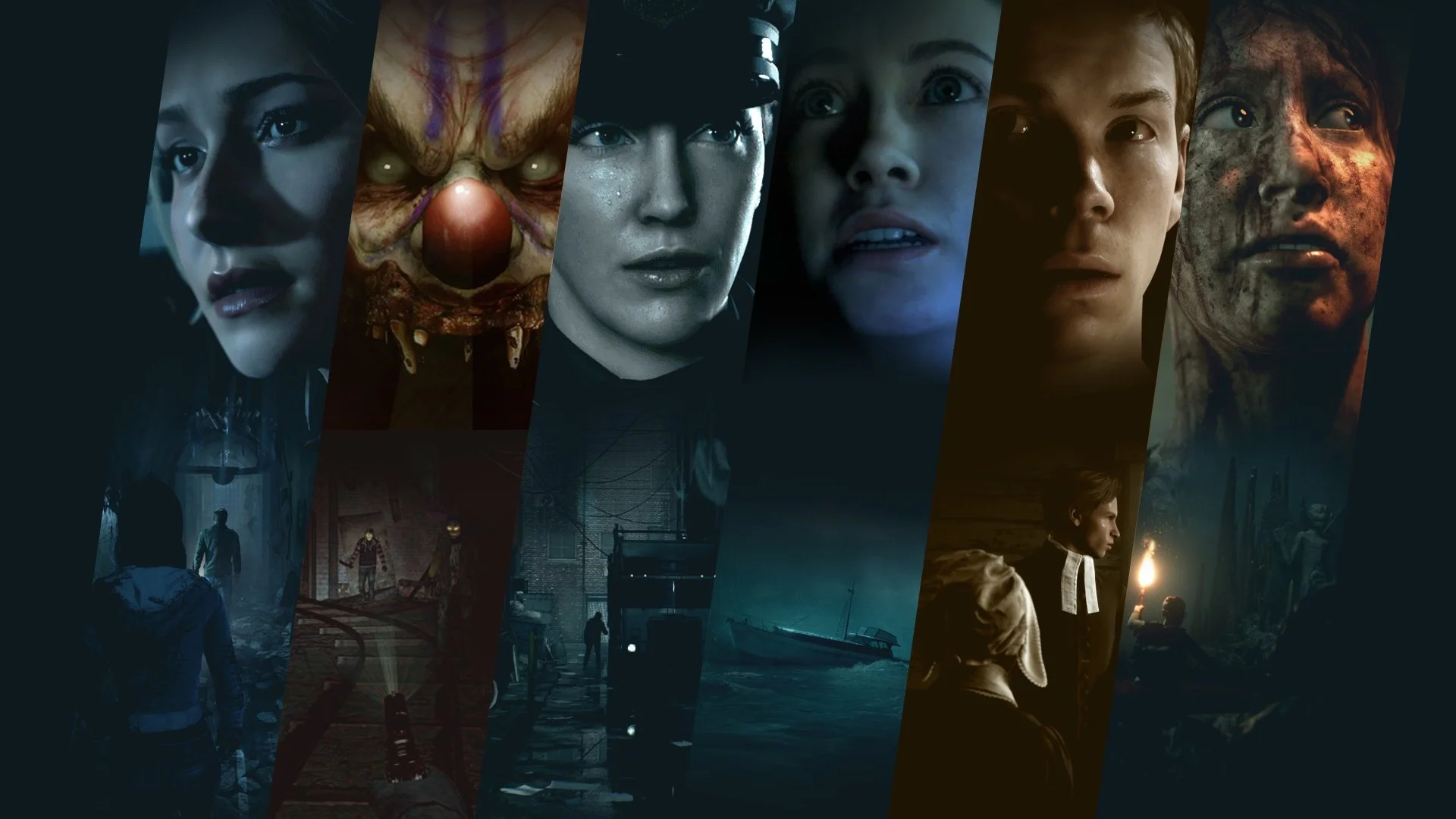
The move toward realism was commercially rational. The hardware was there. The engines were getting faster. Quake had shipped in 1996 and its 3D world was genuinely new. You moved through a space that had weight and shadow and depth in a way that Doom hadn't managed. A character in a game like Messiah could be wrapped in a flexible, stretchable skin made of over 180,000 polygons. The games press celebrated this as progress. The more photorealistic, the better. The closer to cinema, the more serious.
What I kept noticing was what was being lost.
The closer games got to simulating reality, the further they drifted from the clarity that made them compelling. The challenge was getting buried under the production value. The gameness was being replaced by the experience, and the experience was being confused with immersion. You were no longer engaging with a pure system. You were watching something pretend to be something else. Pretend to be a movie, pretend to be a war, pretend to be a historical event. The pretending was increasingly the point.
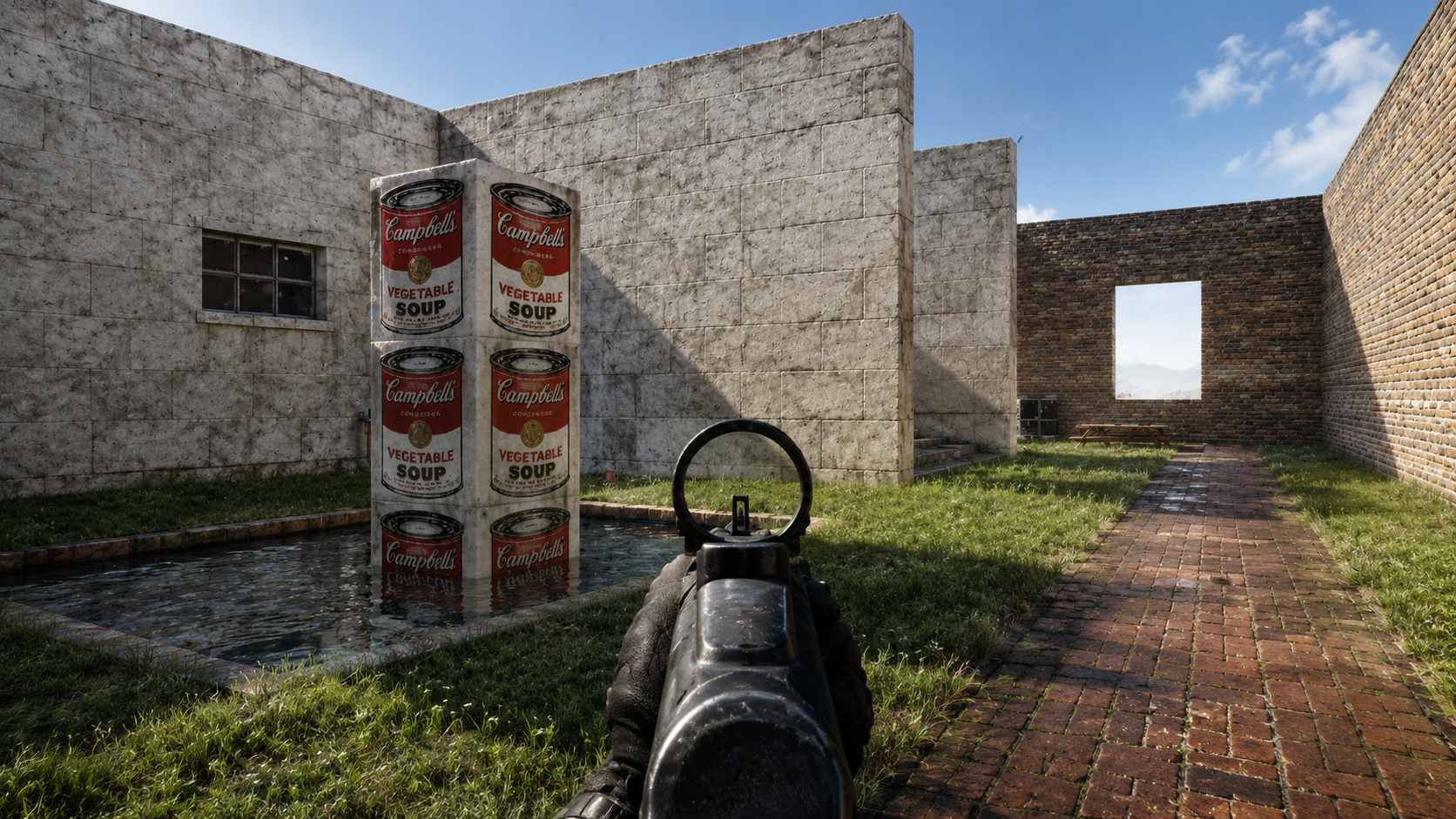
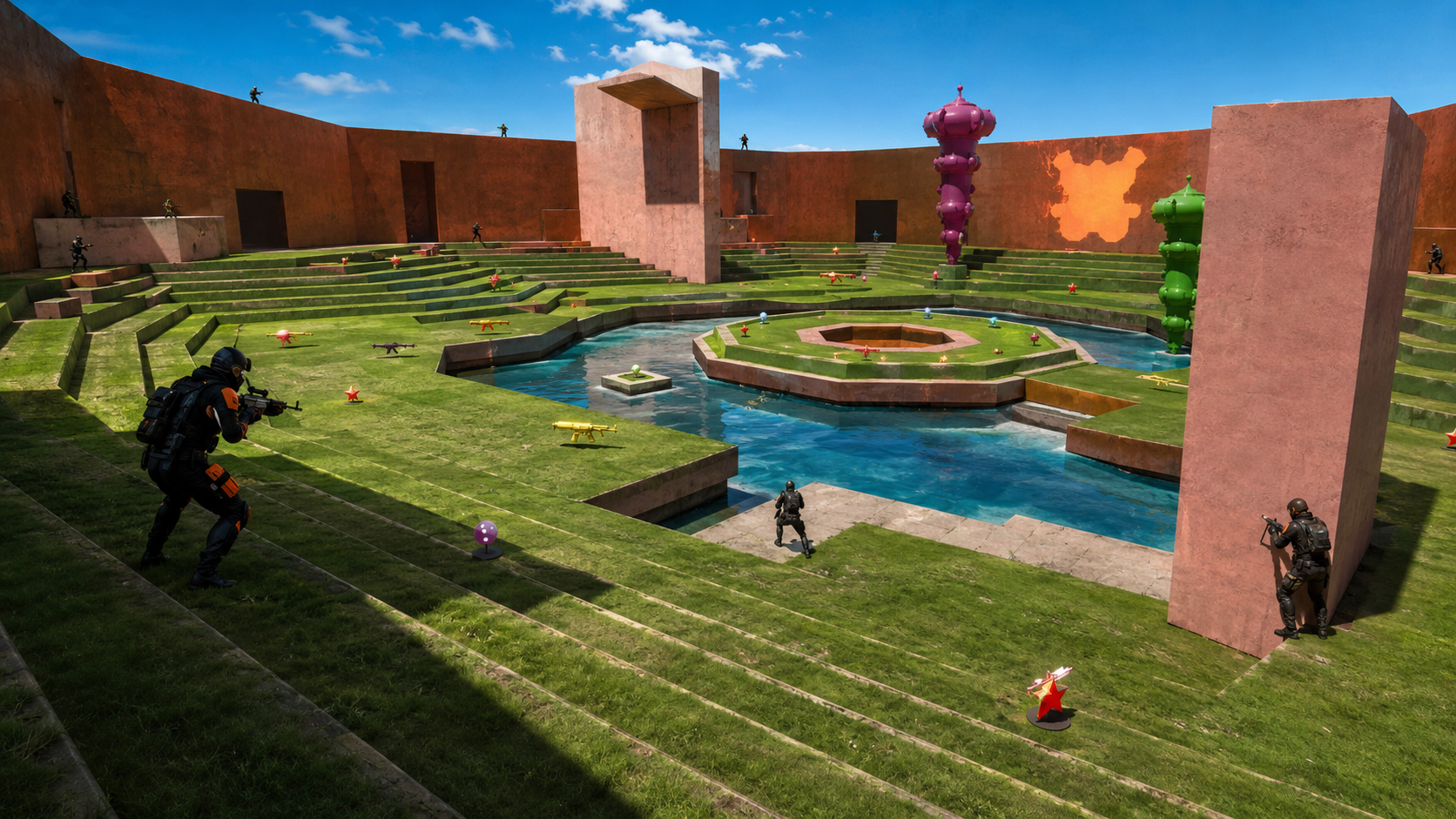
Quake Radius was a direct response to this. I took Quake's engine, the most sophisticated 3D environment commercially available, and applied a single modification. A fixed, flat base of color surrounded the player, extending outward for a specified radius of space. As you moved through the environment, you could only perceive it as pure, flattened gameplay in your immediate vicinity. The rich 3D world outside the radius didn't disappear. You just couldn't see it. What you were left with was the game's actual structure. The spatial logic, the tactical decisions, the system. Stripped of everything the production had layered on top.

It was not a popular modification. Players who encountered it tended to find it disorienting, even hostile. This, I thought, was exactly the right response. What they were experiencing as disorientation was the absence of something they had come to rely on. The immersion had become load-bearing. The graphics weren't decoration anymore. They were the thing that told players what to do and how to feel. Without them, the players were left with the game itself, which turned out to be harder, stranger, and more demanding than the immersive version had suggested.
The question the work was asking, how might we apply the gameplay and user experience from a simpler gaming era to modern games in a way that allows users to focus on the challenges, instead of the immersion, was genuinely a design question. It was the product thinker's question, even though I wouldn't have called it that then.
What is the thing actually for? If you removed everything that isn't essential, what would remain?
The Jan van Eyck gave me two years to find out. Emulation Edition, the work that closed that period, was the answer I arrived at. Twelve multiplayer gaming levels, stripped of all realism, reduced to their core constituent parts. Apple Benelux supported it. Bungie supported it. The institution acquired it for their permanent collection. The work said: this is what a game is, under everything it also is.
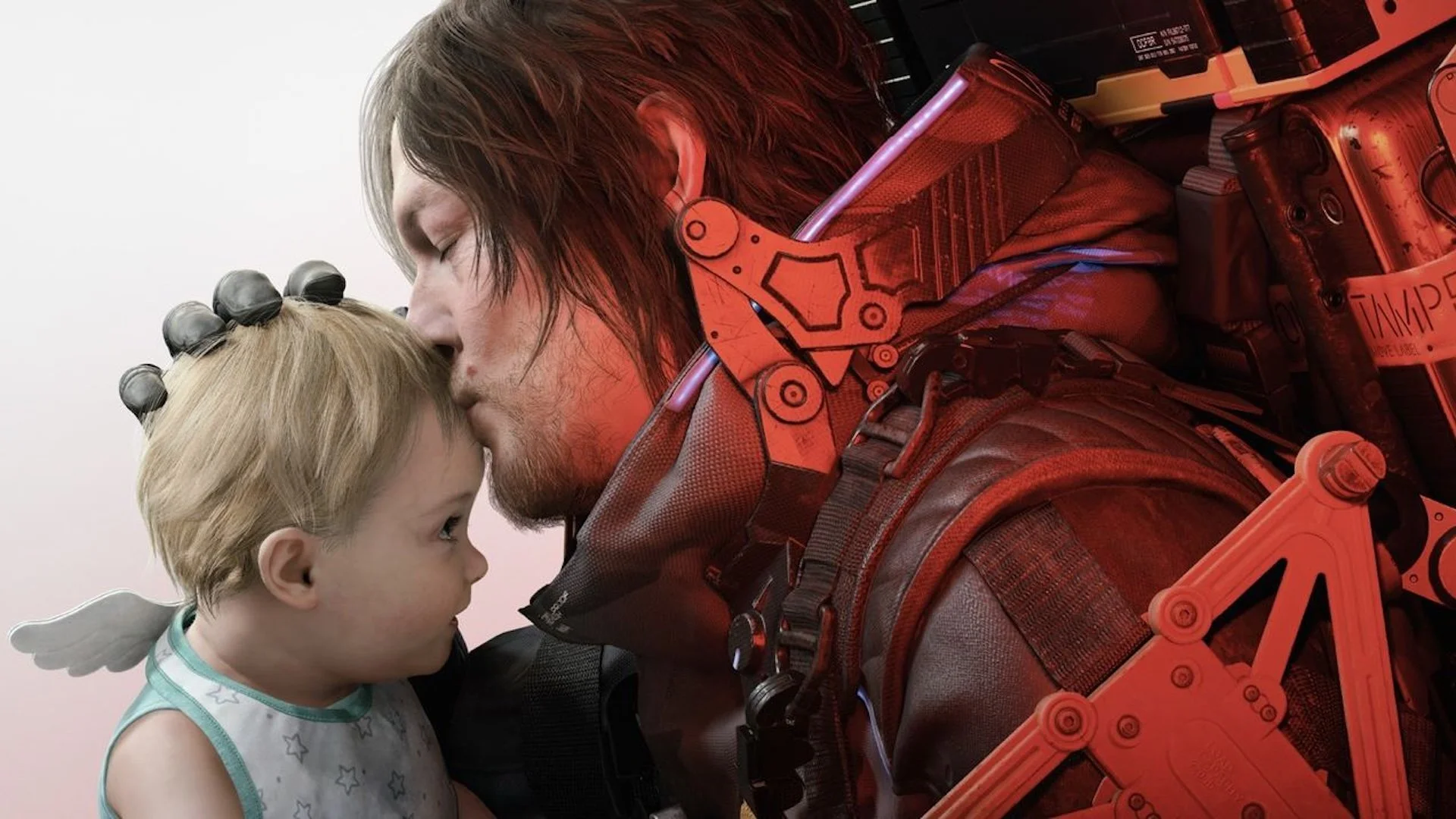
I don't think the industry was ready to hear it in 1998. I'm not sure it was ready to hear it in 2008, or 2018. But the question has not aged. It keeps arriving in new forms. In the contemplative precision of Journey, in the walking-as-game-system of Death Stranding, in every indie title that strips back to ask what the form requires versus what it has merely accumulated.
The early work was the question. Everything since has been sitting with the answer.